
Call us now :08045479140
 Send Inquiry
 Send Inquiry
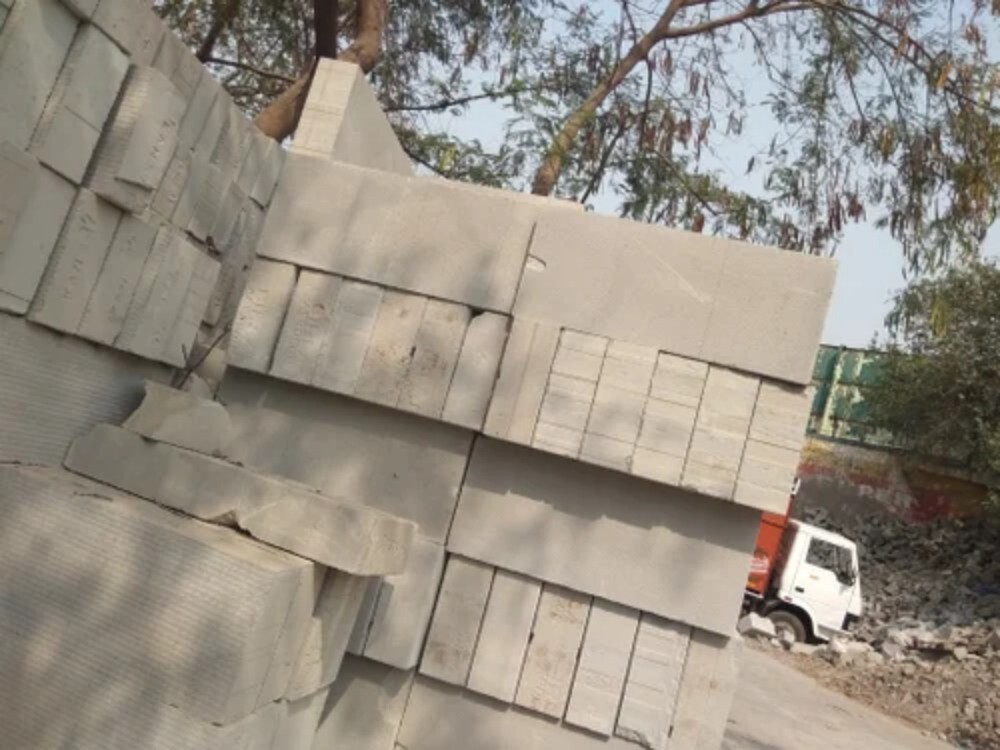
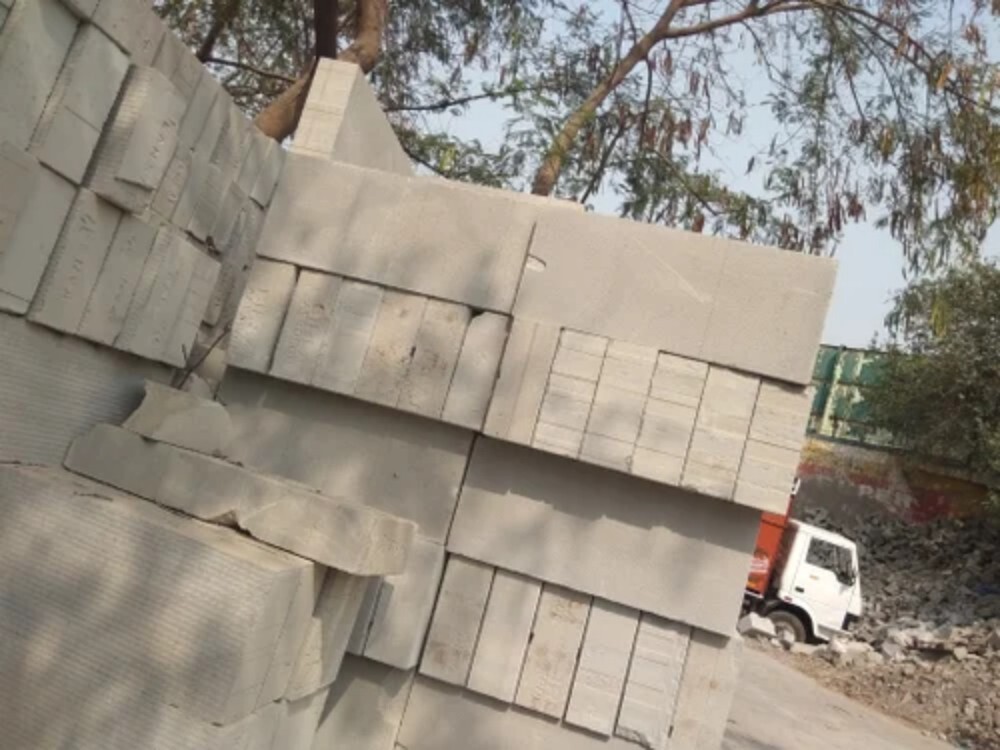
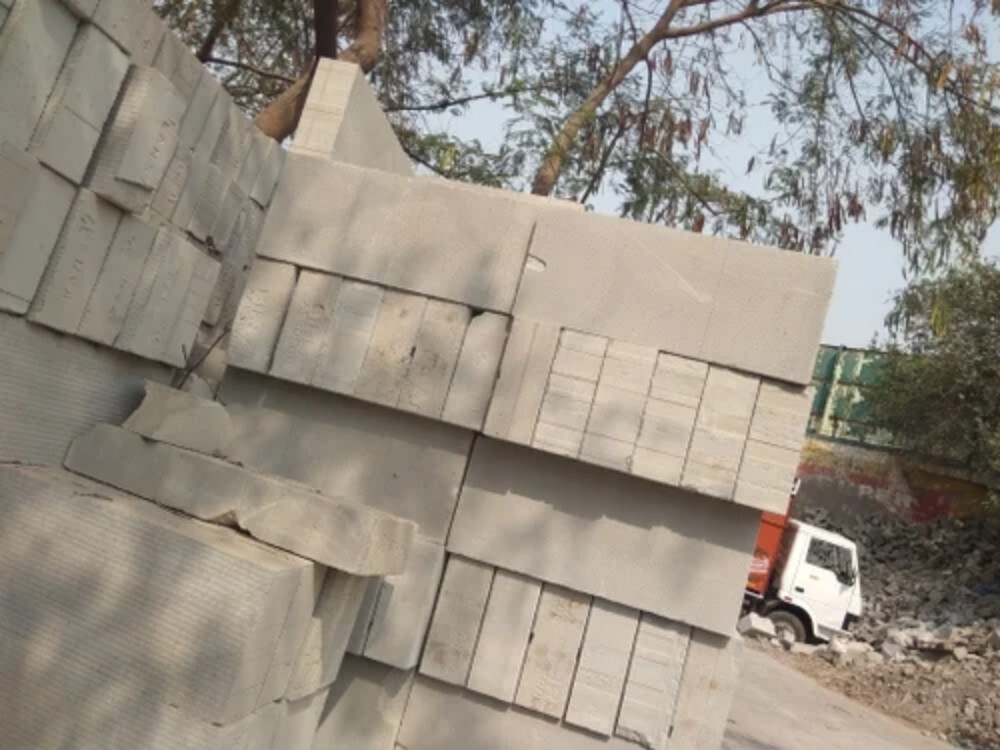
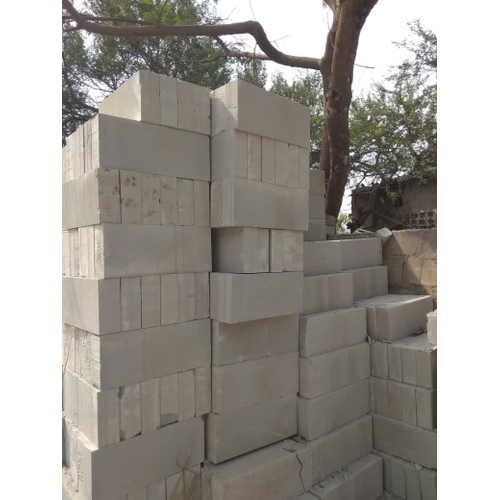
AAC Cement Block
Price 35 INR/ Piece
MOQ : 50 Pieces
AAC Cement Block Specification
- Moisture Content
- required based
- Cavity
- required based
- Type
- AAC Blocks
- Dry Density Grade
- required based
- Length
- required based Centimeter (cm)
- Method
- Autoclaved Aerated Concrete
- Frost Resistance
- required based
- Carbonation Coefficient
- required based
- Thickness
- required based Centimeter (cm)
- Width
- required based Centimeter (cm)
- Density
- 40 Kilogram per cubic meter (kg/m3)
- Thermal Conductivity
- required based Watt/Meter/K (w/(m.k)
- Compressive Strength
- required based Megapascals (MPa )
- Porosity
- required based
- Material
- Cement
- Usage & Applications
- required based
- Color
- Gray
- Oftening Coefficient
- required based
- Size
- required based
- Weight
- required based Kilograms (kg)
- Shape
- required based
AAC Cement Block Trade Information
- Minimum Order Quantity
- 50 Pieces
- FOB Port
- NEW DELHI
- Payment Terms
- Cash in Advance (CID), Cheque, Telegraphic Transfer (T/T)
- Supply Ability
- 1000 Pieces Per Day
- Delivery Time
- 1 Week
- Packaging Details
- As per requirement
About AAC Cement Block
An AAC Cement Block isnt a standard term. However, AAC (Autoclaved Aerated Concrete) blocks are made using cement, lime, water, and an aerating agent. Key features include:
Lightweight: Easier handling.
Insulating: Thermal and sound insulation properties.
Durable: Resistant to pests, mold, and fire.
AAC blocks are used in construction for walls, partitions, etc.An AAC Cement Block isnt a standard term. However, AAC (Autoclaved Aerated Concrete) blocks are made using cement, lime, water, and an aerating agent. Key features include:
Lightweight: Easier handling.
Insulating: Thermal and sound insulation properties.
Durable: Resistant to pests, mold, and fire.
AAC blocks are used in construction for walls, partitions, etc.
Superior Thermal Performance
The cavity design and composition of these AAC blocks deliver outstanding thermal conductivity tailored to project requirements, helping regulate interior temperatures. This feature enhances energy efficiency in buildings, reducing heating and cooling costs over time. Such thermal advantages make AAC Cement Blocks an environmentally conscious choice for sustainable construction.
High Strength and Durability
Engineered for robust compressive strength and frost resistance, these blocks ensure structural stability in both cold and hot climatic conditions. Their autoclaved aerated concrete method provides a uniform, resilient structure, minimizing risks of cracks or deformities over time. As a result, these blocks promise long-lasting performance and reduced maintenance.
Lightweight and Easy Installation
With an impressively low density of 40 kg/m3, AAC Cement Blocks with Cavity are easy to transport and handle, expediting construction timelines. This lightweight nature not only reduces loading on foundations but also simplifies installation, enabling faster project delivery and lower labor costs across varied applications.
FAQs of AAC Cement Block:
Q: How are AAC Cement Blocks with Cavity manufactured?
A: These blocks are produced using the autoclaved aerated concrete (AAC) method, which involves mixing cement with aerating agents, molding, and then curing in a high-pressure autoclave. This process creates a lightweight, porous structure with excellent insulating and structural properties.Q: What are the benefits of using AAC Cement Blocks with Cavity in construction?
A: AAC blocks with cavity offer improved thermal insulation, reduced overall building weight, enhanced fire and frost resistance, and efficient moisture management. Their use results in energy savings, easy installation, and increased durability for both residential and commercial structures.Q: When should AAC Cement Blocks with Cavity be used?
A: These blocks are ideal for projects where thermal efficiency, lightweight material, and ease of construction are prioritiessuch as in homes, apartments, office spaces, and industrial buildings. They perform exceptionally well in both hot and cold climates.Q: Where can AAC Cement Blocks with Cavity be applied in a building?
A: They are versatile and commonly used for building walls, partitions, floor panels, and insulation layers. Their structural integrity and thermal properties make them suitable for load-bearing and non-load-bearing applications.Q: What is the process of installing AAC Cement Blocks with Cavity?
A: Blocks are laid using thin-bed mortar, with specific alignment and reinforcement as needed. Their precise dimensions simplify alignment and fitting, allowing for quick wall construction with minimal waste.Q: How do the physical properties of AAC Cement Blocks contribute to energy efficiency?
A: The required-based thermal conductivity and porous structure substantially reduce heat transfer, maintaining comfortable indoor temperatures and lowering energy bills related to heating and cooling.Q: What distinguishes AAC Cement Blocks with Cavity from traditional concrete blocks?
A: Unlike regular concrete blocks, AAC blocks are lighter, offer better thermal and acoustic insulation, and are manufactured to specific requirements for width, thickness, and densityresulting in enhanced performance and sustainability.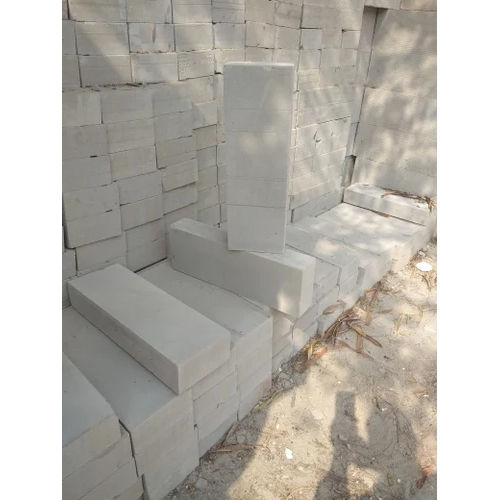
Tell us about your requirement

Price:
Quantity
Select Unit
- 50
- 100
- 200
- 250
- 500
- 1000+
Additional detail
Mobile number
Email

More Products in BIRLA AEROCON BLOCKS Category

Solid AAC Blocks
Price 3900 INR / Cubic Meter
Minimum Order Quantity : 50 Cubic Meters
Material : Cement
Type : Other, AAC Blocks
Density : 40 Kilogram per cubic meter (kg/m3)
Color : Gray
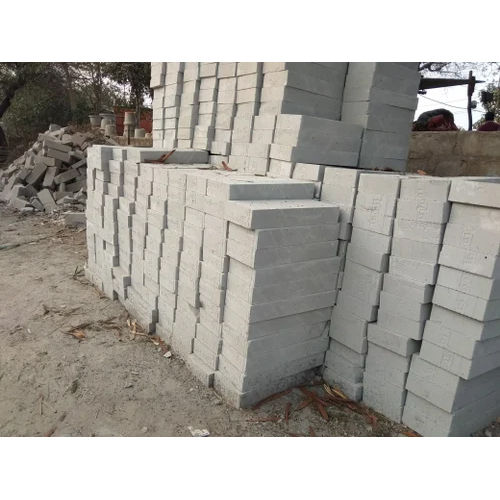
Aerated Autoclaved Block
Price 47 INR / Piece
Minimum Order Quantity : 50 Pieces
Material : Cement
Type : Other, AAC Blocks
Density : 40 Kilogram per cubic meter (kg/m3)
Color : Gray
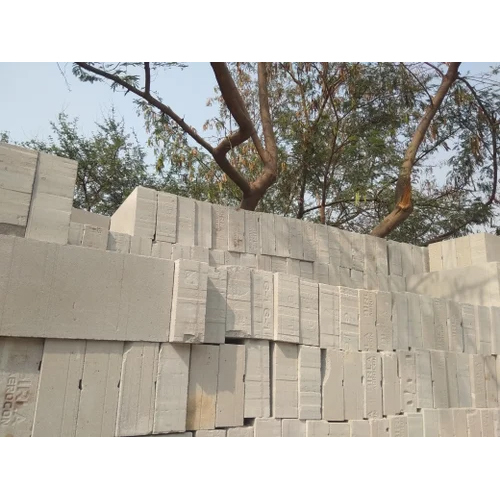
Aerated Autoclaved Concrete Block
Price 65 INR / Piece
Minimum Order Quantity : 50 Pieces
Material : Cement
Type : Other, AAC Blocks
Density : 40 Kilogram per cubic meter (kg/m3)
Color : Gray
Construction AAC Block
Price 95 INR / Piece
Minimum Order Quantity : 50 Pieces
Material : Cement
Type : Other, AAC Blocks
Density : 40 Kilogram per cubic meter (kg/m3)
Color : Gray

We mainly deal in Delhi & North India.

 Send Inquiry
Our Products


Plot No. K 546, Near Gas Pump, Vasant Kunj Road, Mahipalpur Extn.,New Delhi - 110037, India

Mr. Shiv Charan Singh
(Proprietor)
Mobile :08045479140
 Send Inquiry
 Send SMS
Developed and Managed by Infocom Network Private Limited.
