
Call us now :08045479140
 Send Inquiry
 Send Inquiry
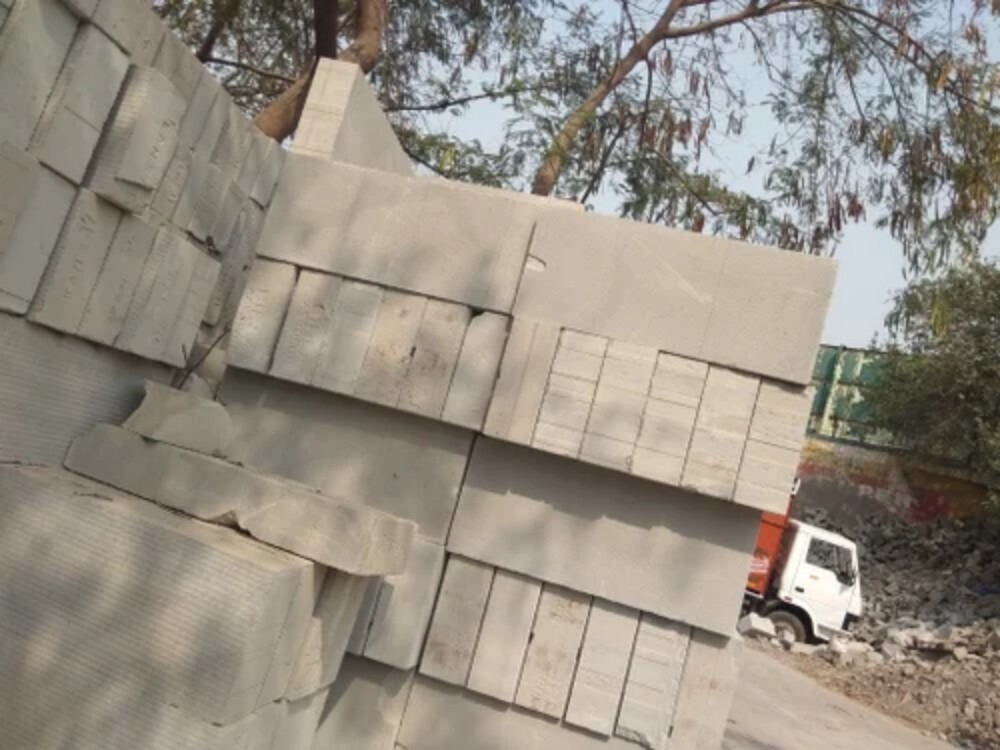
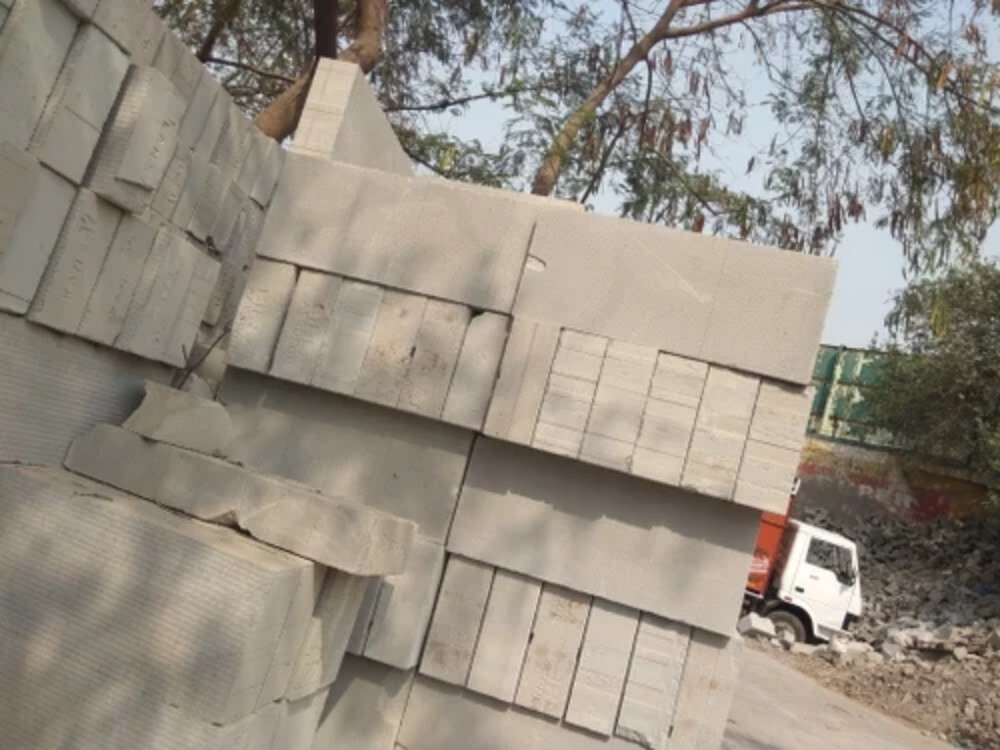
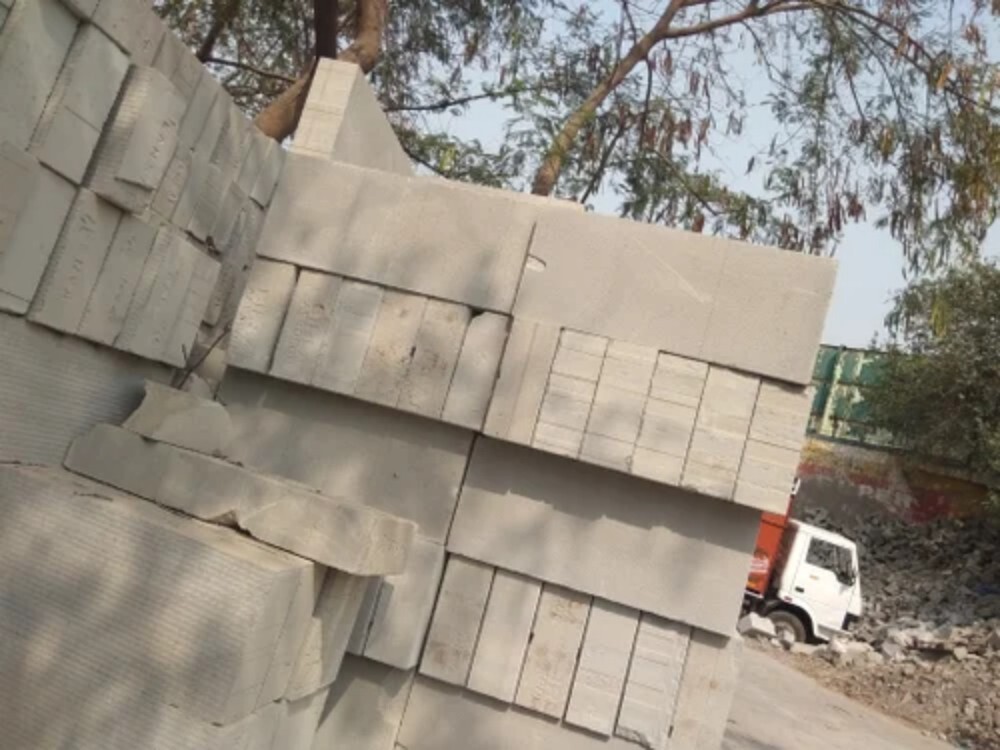
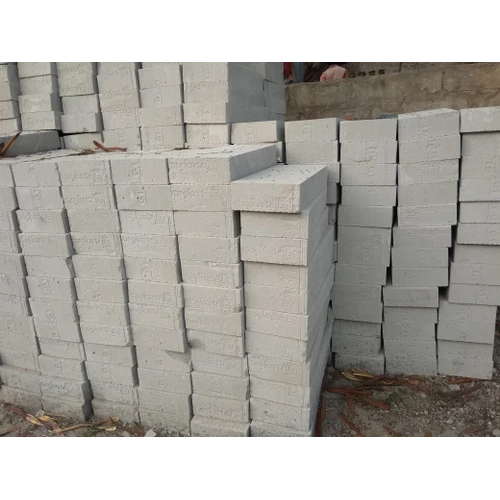
AAC Block
Price 55 INR/ Piece
MOQ : 50 Pieces
AAC Block Specification
- Length
- required based Centimeter (cm)
- Thermal Conductivity
- required based Watt/Centimeter/C (W/(cm.C)
- Color
- Gray
- Oftening Coefficient
- required based
- Density
- 40 Kilogram per cubic meter (kg/m3)
- Moisture Content
- required based
- Width
- required based Centimeter (cm)
- Method
- Autoclaved Aerated Concrete
- Material
- Cement
- Frost Resistance
- required based
- Thickness
- required based Centimeter (cm)
- Dry Density Grade
- required based
- Porosity
- required based
- Usage & Applications
- required based
- Carbonation Coefficient
- required based
- Type
- AAC Blocks
- Cavity
- required based
- Compressive Strength
- required based Megapascals (MPa )
- Weight
- required based Grams (g)
- Size
- required based
- Shape
- required based
AAC Block Trade Information
- Minimum Order Quantity
- 50 Pieces
- FOB Port
- NEW DELHI
- Payment Terms
- Cash in Advance (CID), Cheque, Telegraphic Transfer (T/T)
- Supply Ability
- 1000 Pieces Per Day
- Delivery Time
- 1 Week
- Packaging Details
- As per requirement
About AAC Block
An AAC Block (Autoclaved Aerated Concrete Block) is a lightweight, precast building material. Key features include:
Lightweight: Easier to handle and transport compared to traditional bricks.
Insulating: Provides thermal and sound insulation.
Eco-friendly: Made from cement, lime, water, and aerating agents.
Durable: Resistant to pests, mold, and fire.
AAC blocks are used for construction of walls, partitions, and other building elements.An AAC Block (Autoclaved Aerated Concrete Block) is a lightweight, precast building material. Key features include:
Lightweight: Easier to handle and transport compared to traditional bricks.
Insulating: Provides thermal and sound insulation.
Eco-friendly: Made from cement, lime, water, and aerating agents.
Durable: Resistant to pests, mold, and fire.
AAC blocks are used for construction of walls, partitions, and other building elements.
Cutting-Edge Construction Material for Modern Projects
AAC Blocks, made from cement and processed via autoclaving, offer builders a robust yet lightweight solution suitable for diverse architectural requirements. Their customizable grade and size ensure the perfect fit for walls, partitions, and cavity structures, delivering high thermal resistance along with durability. Expertly designed to meet varying compressive strengths, porosity levels, and frost resistance, these gray blocks are trusted for projects across India.
Smart Insulation and Eco-Friendly Performance
The superior thermal conductivity of AAC Blocks minimizes indoor temperature fluctuations, helping reduce energy consumption for cooling and heating. Their high porosity and low density (40 kg/m) contribute to excellent sound absorption and lightweight handling, making transportation and installation more efficient. As environmentally friendly building materials, AAC Blocks help achieve sustainable construction goals while ensuring structural stability.
FAQs of AAC Block:
Q: How are AAC Blocks with tailor-made properties produced?
A: AAC Blocks are manufactured through the autoclaving process, combining cement, water, and other materials. Sizes, densities, strength, and other features can be adjusted during fabrication to suit specific project requirements.Q: What are the main advantages of using AAC Blocks in construction?
A: AAC Blocks offer improved thermal insulation, reduced structural load, enhanced fire and frost resistance, and sound absorption. Their lightweight nature streamlines transportation and installation, benefiting both residential and commercial constructions.Q: Where can AAC Blocks be applied?
A: These blocks are versatile and can be used for building walls, partitions, cavity walls, and as infill for reinforced concrete frames in both interior and exterior environments, ranging from homes to industrial settings.Q: What is the standard density for these AAC Blocks and why is it important?
A: The AAC Blocks featured here have a density of 40 kg/m, which allows for ease of handling, minimizes dead load on structures, and improves thermal efficiency.Q: How does the thermal conductivity of AAC Blocks contribute to energy savings?
A: Thanks to their unique cellular structure, AAC Blocks exhibit low thermal conductivity, effectively reducing the amount of heat transfer through walls and ensuring better energy efficiency in buildings.Q: When is it recommended to choose AAC Blocks over traditional bricks?
A: AAC Blocks are especially recommended when lightweight construction, superior insulation, or faster building schedules are required, or when sustainability and energy conservation are project priorities.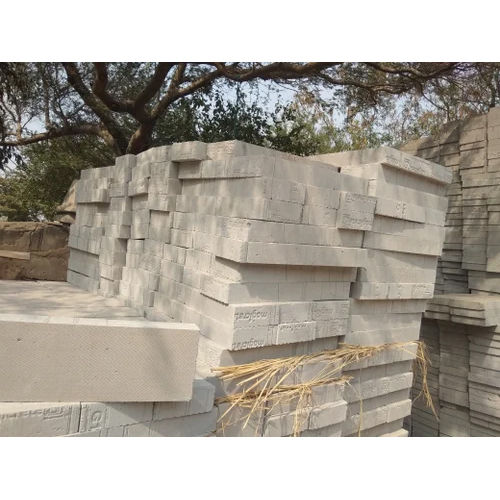
Tell us about your requirement

Price:
Quantity
Select Unit
- 50
- 100
- 200
- 250
- 500
- 1000+
Additional detail
Mobile number
Email

More Products in BIRLA AEROCON BLOCKS Category
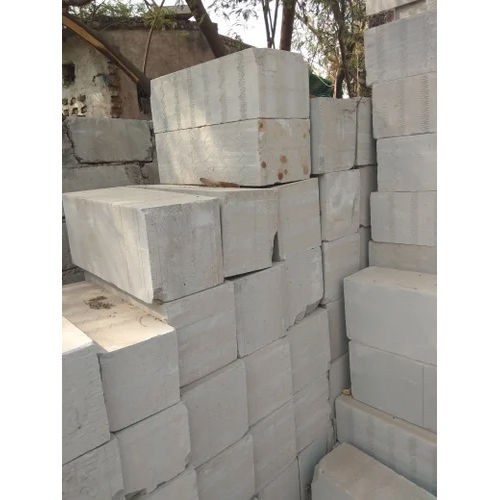
Industrial AAC Block
Price 125 INR / Piece
Minimum Order Quantity : 50 Pieces
Color : Gray
Density : 40 Kilogram per cubic meter (kg/m3)
Type : Other, AAC Blocks
Material : Cement

Solid AAC Blocks
Price 3900 INR / Cubic Meter
Minimum Order Quantity : 50 Cubic Meters
Color : Gray
Density : 40 Kilogram per cubic meter (kg/m3)
Type : Other, AAC Blocks
Material : Cement
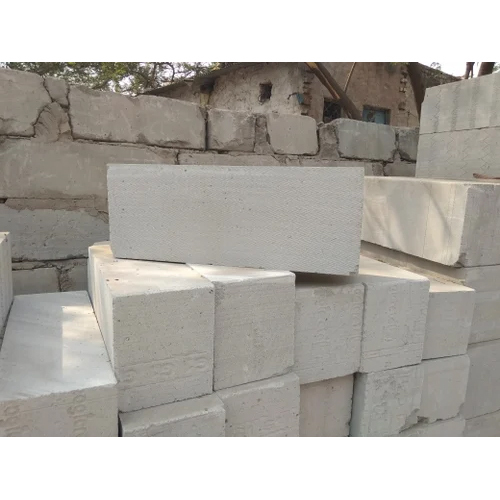
Fly Ash AAC Blocks
Price 125 INR / Piece
Minimum Order Quantity : 50 Pieces
Color : Gray
Density : 40 Kilogram per cubic meter (kg/m3)
Type : Fly Ash Block
Material : Fly Ash
Light Weight Blocks
Price 63 INR / Piece
Minimum Order Quantity : 50 Pieces
Color : Gray
Density : 40 Kilogram per cubic meter (kg/m3)
Type : Other, AAC Blocks
Material : Cement

We mainly deal in Delhi & North India.

 Send Inquiry
Our Products


Plot No. K 546, Near Gas Pump, Vasant Kunj Road, Mahipalpur Extn.,New Delhi - 110037, India

Mr. Shiv Charan Singh
(Proprietor)
Mobile :08045479140
 Send Inquiry
 Send SMS
 Call Me Free
Developed and Managed by Infocom Network Private Limited.
