
Call us now :08045479140
 Send Inquiry
 Send Inquiry
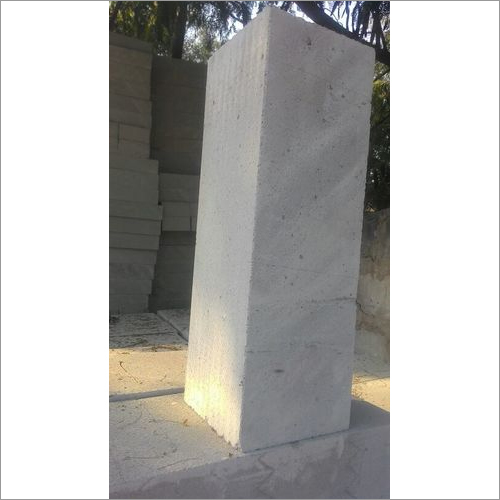
Broken Light Weight Blocks
MOQ : as per requrement Piece
Broken Light Weight Blocks Specification
- Method
- Autoclaved
- Thermal Conductivity
- 0.12 - 0.16 W/mK
- Oftening Coefficient
- 0.88
- Porosity
- High
- Length
- 600 mm (approx)
- Dry Density Grade
- 500 - 650 kg/m
- Carbonation Coefficient
- Low
- Strength
- Adequate for non-load bearing walls
- Density
- 650 Gram per cubic centimeter(g/cm3)
- Color
- Grey
- Cavity
- Solid
- Frost Resistance
- High
- Drying Shrinkage
- Less than 0.04%
- Compressive Strength
- 3.5 - 7.5 MPa
- Thickness
- 100 - 225 mm
- Water Absorption
- 50% - 55%
- Usage & Applications
- Partition Walls, Filling Walls, Soundproofing
- Material
- Aerated Concrete
- Type
- Broken Light Weight Block
- Moisture Content
- Less than 10%
- Width
- 200 mm (approx)
- Weight
- Up to 10 kg (depending on size)
- Size
- Approx 600 x 200 x 100 mm
- Shape
- Rectangular (Broken)
- Fire Resistance
- Excellent (Non-combustible)
- Surface Finish
- Rough (Broken Edges)
- Eco-Friendly
- Yes (recyclable material)
- Storage
- Store in dry, covered area
- Sound Insulation
- Good (up to 42 dB)
- Workability
- Easy to cut and install
- Shelf Life
- Indefinite under proper conditions
- IS Specification
- IS 2185 (Part 3): 1984
Broken Light Weight Blocks Trade Information
- Payment Terms
- Cash Against Delivery (CAD), Telegraphic Transfer (T/T), Cheque
- Sample Available
- Yes
- Main Export Market(s)
- Asia
- Main Domestic Market
- All India
About Broken Light Weight Blocks
Broken Light Weight Blocks are small cement made bricks that are most commonly utilized for construction of various commercial and residential structures. They are known to provide excellent strength to building structure with superior sound and thermal insulation. These bricks are also admired for providing excellent resistance to fire and pest attack. Broken Light Weight Blocks offered by us are made by autoclaving precise mixture of various ingredients at high pressure & temperature.
Features:
- Good compressive strength
- High load carrying ability
- Have distinct porous structure with light weight
Exceptional Fire and Sound Insulation
Broken Light Weight Blocks are non-combustible, providing excellent resistance to fire, making them a safe choice for modern construction. Their solid, high-porosity structure offers significant sound insulation up to 42 dB, ensuring a quieter indoor environment. These blocks are particularly suitable for applications requiring safety and acoustic control, such as office partitions and multi-unit dwellings.
Eco-Friendly Construction Solution
Manufactured from recyclable aerated concrete, these blocks represent an environmentally responsible building material. The autoclaved process further ensures sustainability, reducing energy and resource consumption during production. Their indefinite shelf life under proper storage and complete recyclability position them as a preferred alternative for green building projects seeking material efficiency and reduced environmental impact.
Effortless Installation and Versatile Application
Broken Light Weight Blocks are designed for easy workability. Their lightweight and solid nature allow them to be cut and installed with basic tools, facilitating rapid construction of partition or filling walls. Available in sizes up to 600 x 200 x 100 mm, they support flexibility in architectural design, especially where quick, soundproof, and thermal-insulated solutions are required.
FAQs of Broken Light Weight Blocks:
Q: How should Broken Light Weight Blocks be stored to maintain their quality?
A: Broken Light Weight Blocks should be stored in a dry, covered area to prevent moisture absorption. Ensuring they are protected from rain and direct contact with the ground will maintain their integrity, as their shelf life is indefinite under proper storage conditions.Q: What makes these blocks suitable for use in partition and filling walls?
A: With a compressive strength of 3.5 - 7.5 MPa, adequate for non-load bearing applications, and lightweight design, these blocks are ideal for partition and filling walls. Their easy cutability allows for efficient installation, and their sound insulation up to 42 dB enhances privacy and comfort.Q: When is it recommended to use these blocks in construction projects?
A: These blocks are recommended for projects requiring thermal and acoustic insulation, non-load bearing wall systems, soundproofing, or areas sensitive to fire risks. Their high frost resistance and eco-friendly nature make them apt for diverse climates and sustainability-focused developments.Q: Where can Broken Light Weight Blocks be applied?
A: These blocks are commonly used in partition walls, filling walls, and soundproofing structures in both residential and commercial buildings. Their size and weight allow for versatile placement in interior spaces or as part of cavity wall systems.Q: What is the process of installing Broken Light Weight Blocks?
A: Installation involves cutting the blocks to the required size with basic tools, positioning them with compatible mortar, and allowing the structure to set. Their light weight and precise dimensions facilitate quick handling and alignment, streamlining construction workflows.Q: What are the main benefits of choosing these blocks for construction?
A: These blocks offer outstanding fire resistance, good sound insulation, easy workability, and eco-friendly characteristics due to their recyclable material. Their high thermal insulation and lightweight composition enhance energy efficiency, ease handling, and lower overall project costs.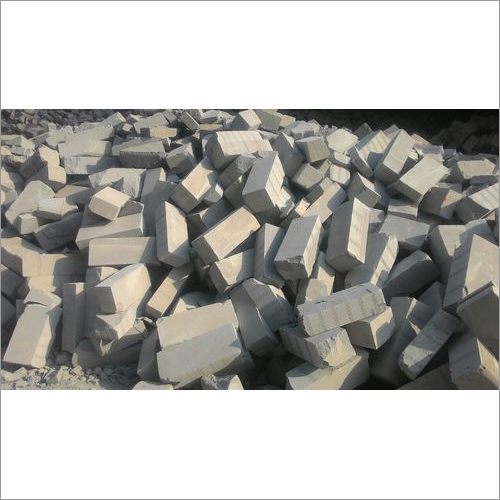
Tell us about your requirement

Price:
Quantity
Select Unit
- 50
- 100
- 200
- 250
- 500
- 1000+
Additional detail
Mobile number
Email

More Products in AAC Blocks Category
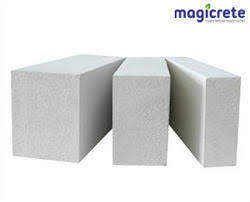
Magicrete AAC Blocks
Price 60 INR / Box
Minimum Order Quantity : 100
Thickness : 75mm to 300mm
Drying Shrinkage : 0.04%
Compressive Strength : 4 N/mm to 5 N/mm
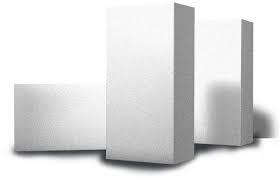
AAC Light Weight Block
Minimum Order Quantity : 100 Units
Thickness : 100 mm to 300 mm
Drying Shrinkage : 0.04%
Compressive Strength : 34.5 MPa
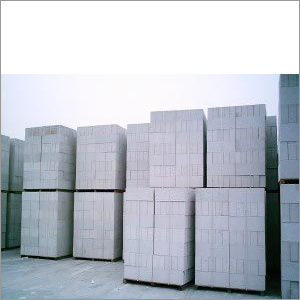
AAC Rubble Blocks
Price Range 35.00 - 100.00 INR
Minimum Order Quantity : as per requirement Piece
Thickness : 100 mm
Drying Shrinkage : <0.05%
Compressive Strength : 3.0 4.5 MPa
8 Inch AAC Blocks
Price Range 35.00 - 100.00 INR
Minimum Order Quantity : as per requirement Piece
Thickness : 8 Inch (approx. 200 mm)
Drying Shrinkage : Less than 0.04%
Compressive Strength : 34.5 N/mm

We mainly deal in Delhi & North India.

 Send Inquiry
Our Products


Plot No. K 546, Near Gas Pump, Vasant Kunj Road, Mahipalpur Extn.,New Delhi - 110037, India

Mr. Shiv Charan Singh
(Proprietor)
Mobile :08045479140
 Send Inquiry
 Send SMS
Developed and Managed by Infocom Network Private Limited.
